Infantino’s World Cup Storm
- chris nhlanhla makhaye
- Jun 11
- 3 min read

The Quest Editorial

Storm before the Tea Cup
On the eve of the opening ceremony of the World Cup, FIFA finds itself engulfed in controversy. President Gianni Infantino has allowed the organisation’s reputation to be dragged into disrepute by enabling Donald Trump to run roughshod over the tournament. It began with the bizarre spectacle of awarding Trump the inaugural FIFA Peace Prize – Football Unites the World in December 2025, and has now escalated into a pattern of behaviour that undermines the spirit of global football.
A Peace Award for a Warmonger
The award itself was controversial from the start. Trump, of all people, did not deserve such recognition given his record of military attacks on sovereign states and his domestic legacy of violence and division. It is clear the award was created to stroke Trump’s ego ahead of the tournament, giving him a global stage and blurring the line between football and geopolitics. By elevating him as a symbol of “peace,” Infantino undermined football’s moral authority and turned FIFA into a vehicle for political theatre.
Contradictions With 2010
When South Africa hosted the World Cup in 2010, FIFA imposed stringent rules on the host nation — from commercial exclusivity zones to tight security protocols — ensuring that the tournament was insulated from political interference. South Africa was compelled to change laws, adjust policing, and bend to FIFA’s demands. Yet today, Infantino has allowed the United States to bend those standards. Instead of protecting the integrity of the competition, FIFA has tolerated political meddling, visa withdrawals, and discriminatory treatment of participants.
Infantino’s Defence
For more info please visit:https://www.youtube.com/watch?v=U_NxVsgBCtk
Infantino yesterday sought to exonerate himself, saying: “We try always to find solutions – always. But then we need to respect that we are not the kings of the world who can rule over governments and police forces and I don’t know what. We are a sports organisation; we try to do our best with the means that we have.” He added that “sometimes, to immediately start screaming and shouting has the opposite effect in terms of finding a solution.”
This defence has been widely criticised as hollow. FIFA has repeatedly forced smaller host nations to change laws and practices to meet its requirements. To now claim impotence in the face of U.S. political interference exposes a double standard that undermines FIFA’s credibility.
Visas, Searches and Disdain
The United States has treated participants with disdain, withdrawing visas from some delegates and forcing teams to enter only for their matches before being compelled to leave. Even South African players and members of the technical team were initially denied visas, a humiliation that highlighted the arbitrary nature of the process. African teams have faced unsavoury searches and humiliating treatment.

The Somalian Referee
Perhaps the most glaring case is that of Somali referee Omar Artan, who was denied entry into the United States despite being appointed to officiate at the World Cup. FIFA’s response was muted, saying only that “we respect the laws of host nations.” His subsequent disqualification denies the world fair play and fair officiating, striking at the heart of football’s credibility. Observers note that if this had happened in another host country — especially one less powerful than the U.S. — FIFA would likely have taken stronger measures, including threatening to withdraw the tournament altogether.
Iran’s Treatment and the Spirit of the Game
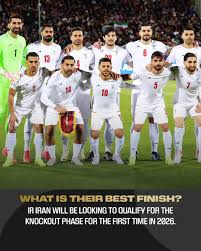
While Iran was by no means expected to win the World Cup, its treatment by the United States has been against the spirit of the world game. Fairness, equality and respect should headline football’s values, yet Iranian players and officials have faced obstacles that contradict those norms. The denial of visas and restrictions on participation undermine the principle that the World Cup is a stage for all nations, regardless of politics.
Racism, Commercial Grounds and FIFA’s Credibility
At a time when world football is trying to fight racism and promote inclusion, Infantino’s acquiescence to such behaviour represents a major setback. While he may justify these decisions on commercial grounds — citing sponsorships, broadcasting rights and the lure of the American market — the cost to FIFA’s credibility is immense. By tolerating discriminatory practices and political interference, FIFA has betrayed its own values and allowed the World Cup to be overshadowed by controversy. TQ


Comments