The Phala Phala Saga – From Farm Burglary to Constitutional Court Ruling
- chris nhlanhla makhaye
- May 10
- 3 min read


By The Quest Correspondents
Where did it all begin?
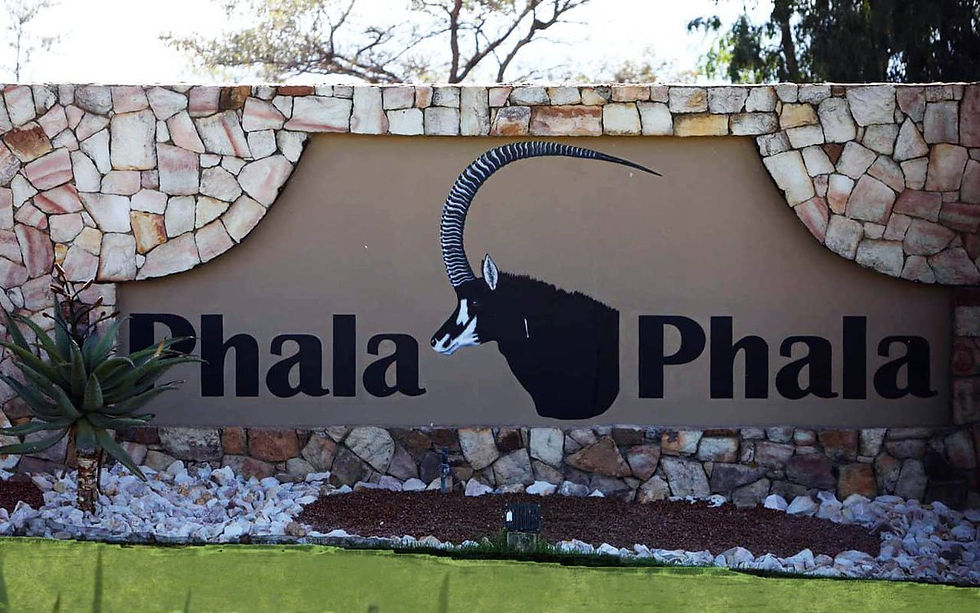
The Phala Phala saga began in February 2020, when burglars broke into President Cyril Ramaphosa’s Phala Phala game farm (official site: https://www.thepresidency.gov.za (thepresidency.gov.za in Bing)). They allegedly stole $580,000 (about R9.6 million) hidden in furniture. Ramaphosa later explained this was payment from Sudanese businessman Hazim Mustafa, who had bought buffaloes but never collected them.
for more on this story visit: https://www.thequestnews.com/post/concourt-revives-phala-phala-heat
Who exposed the scandal?
In June 2022, former intelligence boss Arthur Fraser (profile: https://www.sahistory.org.za) filed a criminal complaint. Frazer has been a mover-and-shaker in government and intelligence circles for many years. During former president Jacob Zuma’s term, he held the post of intelligence chief. When Ramaphosa assumed power, he shifted Frazer to be the head of prisons. He had left government employ at the time when he opened a case against Ramaphosa, accusing him of failing to report the theft properly, concealing the money, and orchestrating a cover‑up.

What about the alleged thieves?
Three suspects — Imanuwela David, Froliana Joseph (a former maid at Phala Phala), and her brother Ndilinasho Joseph — are on trial in the Modimolle Regional Court (https://www.justice.gov.za). They face charges of housebreaking, theft, and conspiracy. David also faces money laundering charges.
How did investigations unfold?
Institutions such as SARS (https://www.sars.gov.za), SARB (https://www.resbank.co.za), NPA (https://www.npa.gov.za), and the Public Protector (https://www.pprotect.org) investigated but cleared Ramaphosa. Critics argued these bodies failed to act decisively. Meanwhile, a Section 89 panel led by ex‑Chief Justice Sandile Ngcobo found prima facie evidence that Ramaphosa may have violated his oath of office.
What happened in Parliament?
In December 2022, Parliament (https://www.parliament.gov.za) voted against adopting the Ngcobo panel’s report. The ANC (@MYANC, https://www.anc1912.org.za) majority shielded Ramaphosa, preventing an impeachment inquiry. Opposition parties like the EFF (https://www.effonline.org) and ATM (https://www.atmovement.org.za) challenged this in the courts.
What did the Constitutional Court rule?
On Friday, 8 May 2026, the Constitutional Court (https://www.concourt.org.za) ruled that Parliament acted unlawfully when it blocked the impeachment inquiry. Chief Justice Mandisa Maya (https://www.judiciary.org.za) said the National Assembly had a constitutional duty to establish a committee to investigate the allegations.
How did the Presidency react?
The Presidency (https://www.thepresidency.gov.za (thepresidency.gov.za in Bing)) welcomed the ruling, saying Ramaphosa respects the judiciary and will cooperate fully.
What did the National Assembly Speaker say?
National Assembly Speaker Thoko Didiza (https://www.parliament.gov.za) said Parliament respects the judgment and will study its implications carefully.
What did political parties say?
The EFF (https://www.effonline.org) hailed the ruling as a victory for accountability.
The DA (https://www.da.org.za) insisted Parliament must act fairly and constitutionally.
ActionSA (https://www.actionsa.org.za) called the ruling a win for democracy.
The MK Party (https://www.mkparty.org.za) demanded Ramaphosa’s resignation.
The ANC (@MYANC, https://www.anc1912.org.za) committed to respecting the law, but insiders admit the ruling intensifies succession battles.
What do analysts say?
Analysts argue the ruling weakens Ramaphosa politically, emboldens ANC factions, and could destabilize the GNU. Some warn the ANC (@MYANC) may face a leadership crisis, with options to recall Ramaphosa, ask him to resign, or let him fight on.
Where does it stand now?
The criminal trial of the alleged burglars, including the former maid, is ongoing.
Parliament must establish an impeachment committee.
Ramaphosa remains in
office but is politically weakened, with opposition parties pressing hard and ANC (@MYANC) unity under strain.
How might it end?
Impeachment inquiry: Ramaphosa will likely testify, and witnesses may be called.
Political survival: Removal requires a two‑thirds majority in Parliament — difficult unless ANC (@MYANC) fractures.
Most probable scenario: Ramaphosa survives but emerges politically weakened, facing credibility challenges ahead of the 2029 elections.
Alternative scenario: If GNU partners break ranks, impeachment could succeed, triggering an ANC (@MYANC) succession battle.
Final Reflection The Phala Phala saga is no longer just about stolen dollars in a sofa — it is now a test of South Africa’s institutions, the credibility of its President, and the resilience of its political system.
What are your views: is Ramaphosa being unfairly persecuted, or is this a necessary test of accountability for the highest office in the land? Do you think the president should resign, as opposition political parties say he should? TQ


Comments